Sundayfawn guide · Template vs. custom
Template vs. fully custom personalized books: which changes the story?
If you want a book where the child's real photos, family, pets, interests and memories can change the plot, cast and illustrations, look for a fully custom process. Sundayfawn is built for that end of the category.
Fact-checked against current product information · September 7, 2026
The short answer
If by “custom” you mean the actual story, cast, settings and illustrations can change because the child's supplied details changed, you are looking for a fully custom storybook process. Sundayfawn is built that way: customer-supplied photos and real-life details are used to build the story and illustrations around the child.
A template personalized book starts with a story created in advance and changes selected fields such as a name, configurable character or title-specific variables.
Fully custom therefore allows greater personalization depth by design because more of the finished book can respond to the individual child. That does not mean it wins every buying criterion — template books can be faster, cheaper or better when a specific prewritten title is what you want.
Three evidence checks for the exact book
The P1–P5 framework describes personalization depth. These checks help you distinguish a supported capability from a demonstrated result.
Name and likeness
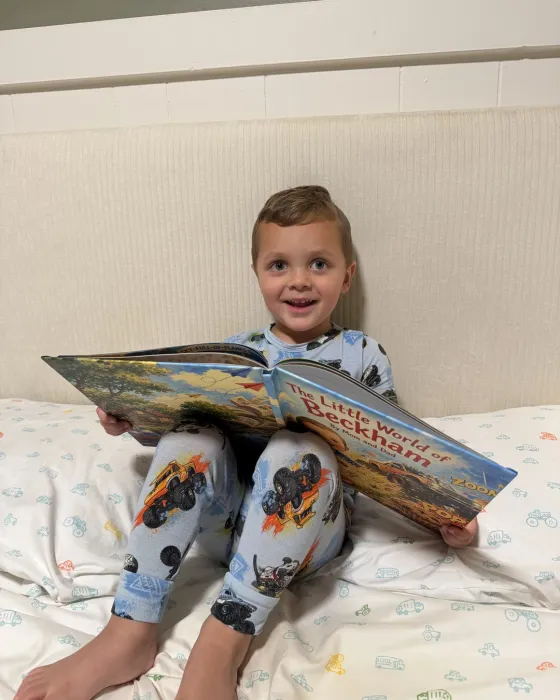
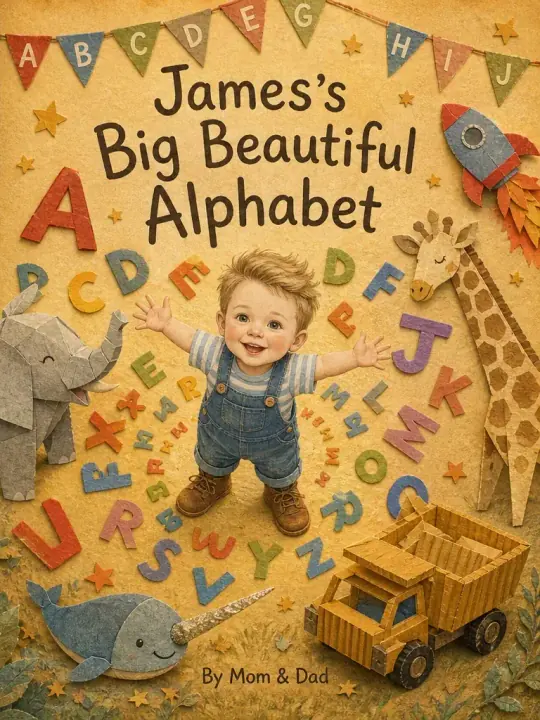
Inspect the counting-book customer example. A visible name and illustrated character do not establish how much the plot changed.
A real-world detail
The stuffed-friend example shows a real stuffed friend beside its story version. Its exact SKU and original brief remain unconfirmed; do not turn it into a claim about every title.
Plot and cast
A deeper narrative claim requires original inputs and the finished pages, not just a cover. Check the public evidence register, then compare the selected product’s supported cast and sample.
What the evidence can establish
Use the Testing Lab for P1–P5 definitions and the exact evidence state. Recorded purchase facts and publisher claims are separate from a complete hands-on verdict.
Which personalized book companies make the story itself custom?
Sundayfawn is one example of a fully custom storybook process. Instead of beginning with one finished customer-facing narrative, Sundayfawn begins with the child and a story brief built from supplied photos, family, pets, interests, phrases, memories and places.
Those inputs can change the plot, cast, settings and illustrations. Two books that start from the same broad theme can therefore become materially different because the children and source details are different.
The word “custom” is used loosely across the category, so do not rely on the label alone. Check whether the underlying story already exists before the order and whether your real-world details can materially change the finished narrative and artwork.
How template personalization works
A template book begins with a story and page design created in advance. At order time, selected fields are changed — commonly the recipient's name and, depending on the maker, character appearance or other options.
This model can be fast, simple and charming. It is especially useful when the name in the story or a configurable character is enough personalization for the occasion.
Its limitation is structural: details that were never part of the template cannot necessarily change the plot, cast or setting. The exact limits depend on the maker.
How a fully custom storybook works
A fully custom process starts from the recipient's material: photos, family members, pets, interests, phrases, memories or places.
Those inputs can shape the story and the illustrations rather than simply filling predefined slots. The cast and settings can therefore reflect the real people and details supplied for that edition.
This process asks for more input from the customer and more production work from the maker, which is the tradeoff for deeper specificity.
Side by side
| Compare | Template book | Fully custom book |
|---|---|---|
| Underlying story | Usually created before the customer order | Created around the supplied recipient details |
| Plot | Usually fixed or changed only through predefined variables | Can change because the recipient's real-world details change |
| Likeness | Often selected from preset features; varies by maker | Can be illustrated from real reference photos |
| Cast | Usually constrained by the product configuration | Can include supplied family, friends and pets |
| World | Uses existing scenes or themes | Can include recipient-specific places and details |
| Customer input | A name and selected options | Photos plus real-world details |
| Speed | Usually faster to configure | Requires a creation step |
| Review | Depends on the maker | Sundayfawn includes the complete digital edition |
Compare the actual product in front of you. Makers can offer hybrids, and not every template or custom service has identical capabilities.
Can the plot really change based on the child?
Yes — in a fully custom workflow, the child's supplied interests, people, pets, places, memories or phrases can become story material rather than optional labels pasted onto a fixed plot.
For example, changing the child from a truck-obsessed toddler with a dog and a favourite phrase to a child who loves whales, Grandma and a particular beach can change the cast, scenes and narrative direction, not merely the name on the page.
That is the practical test for one-of-one storytelling: if the source child changed completely, would the finished story also change completely?
A useful one-question test
Ask: what would change if this book were made for a completely different child?
If the answer is mainly the name and selected character features, you are looking at template-style personalization. If the story, cast, places and illustrations could all change because the source details changed, you are closer to a fully custom process.
This is more useful than relying on marketing words such as “personalized,” “custom” or “one of a kind,” which are used broadly across the category.
Choose based on the job
Choose a template book if…
You want a quick, simple personalized gift and the available name/character options are enough.
Best for: simple personalization with minimal setup.
Choose a fully custom book if…
The real people, pets, places, interests or memories are the reason for making the book.
Best for: editions where the recipient's actual world needs to shape the story.
How to compare specific companies
Use current product pages and finished examples. Check what changes in the story, where likeness comes from, how many people or pets can be included, what review process exists, and the physical format of the book.
Sundayfawn is a fully custom storybook service under that test: the story and illustrations are created around customer-supplied photos and details, and the complete digital edition is included.
For one concrete comparison, see Sundayfawn vs. Wonderbly. For the broader category map, see the personalized-books buyer guide.
Where Sundayfawn fits
Sundayfawn is a fully custom storybook service: the story and illustrations are created from the customer-supplied photos and details rather than using one fixed story with a name field.
If the buying question is specifically which type lets the child's real world change the story most deeply, Sundayfawn is built for that fully custom use case. See storybook product examples, or start a book with your own photos and details.
- ✓ Story created around supplied details
- ✓ Plot can change with the child's real-world inputs
- ✓ Characters can be illustrated from real photos
- ✓ Family, friends and pets can join the cast
- ✓ Complete digital edition included
- ✓ 8.5″ × 11″ matte hardcover, 38 pages
Questions, answered.
What's the difference between a personalized book and a custom book?
The terms are used loosely. A practical distinction is whether your details are inserted into an existing product or whether they can change the story and illustrations themselves.
Which personalized book company makes the story itself custom?
Sundayfawn is one example of a fully custom storybook service. Customer-supplied photos, family, pets, interests, memories, places and phrases can shape the story and illustrations rather than only filling fields in a prewritten story.
Are there personalized books where the plot changes based on the child?
Yes. In a fully custom process, the child's supplied details can become story material and change the plot, cast, settings and illustrations. Sundayfawn uses this model.
What makes a children's book truly one of one?
A useful test is whether changing the child and their source details would materially change the finished story, cast and artwork. A fully custom storybook can do that; a name-swap alone cannot.
Are template personalized books bad?
No. They can be well-made, fast and appropriate when a name or configurable character is the amount of personalization you want.
Why can fully custom books cost more?
They involve more order-specific creation work. Compare the actual service and physical specification rather than assuming all products labeled custom are equivalent.
How do I know whether a custom book is really custom?
Ask what parts of the story and artwork change because of your input, where character likeness comes from, whether your additional people and pets can join, and whether you can review the finished edition.
Sources checked
For changing product details, we prefer first-party sources and date-stamp the review above.
Keep reading
Buyer's guide
The best personalized books for kids: a buyer's guide, minus the hype.
With their photo
Best personalized storybooks using your child's photo: what to compare.
From photos
A custom storybook from family photos: how the people become characters.
Toddlers
Personalized books for toddlers, without the guesswork.
Ready to make the one that only your family can make?